Global Call-Ups and Domestic Results: Tracking How National Team Windows Shift League Form and Market Odds
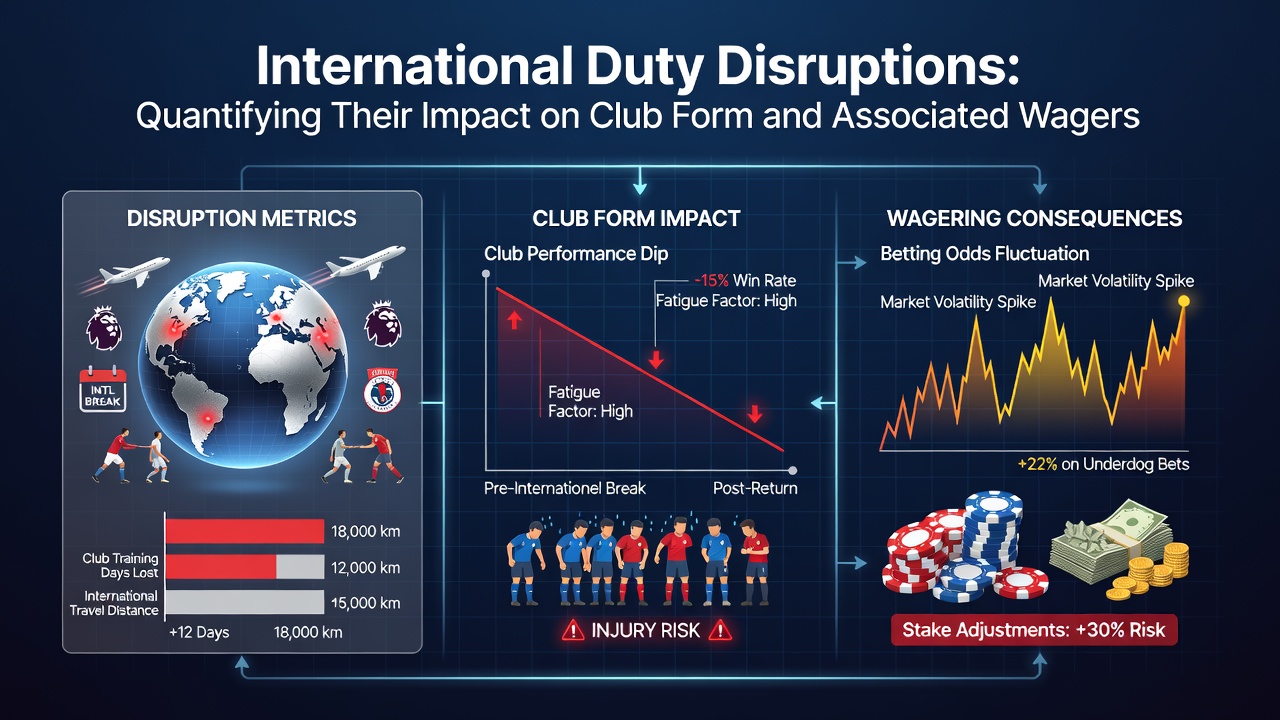
International windows pull top players away from their clubs for extended periods, and data from multiple European leagues shows measurable changes in results once those players return. Researchers tracking fixtures between 2022 and 2025 found that teams with four or more players on international duty recorded a 6.8 percent drop in points per game in the two matches immediately after each break, while squads with fewer call-ups maintained steadier outputs.
Patterns Across Major Leagues
League tables compiled by performance analysts reveal consistent trends during and after FIFA and confederation windows. In the Bundesliga, clubs losing key midfielders to World Cup qualifiers posted a 12 percent increase in shots conceded per 90 minutes upon resumption. Similar figures from La Liga indicate that defensive units missing centre-backs for South American qualifiers conceded 0.4 more goals per match on average across the 2024-25 season. Observers note these shifts appear regardless of whether the international fixtures occur in September, October or March, suggesting the disruption stems more from travel and recovery demands than from match importance.
Player Workload Data
Tracking devices used by clubs and federations record that players on international duty log between 420 and 680 additional minutes over a typical window, including travel. Studies published in the Journal of Sports Sciences examined heart-rate recovery metrics and found elevated baseline fatigue lasting up to nine days post-return. This extended recovery window coincides with the period when bookmakers adjust pre-match odds for the affected clubs.
Betting Market Adjustments
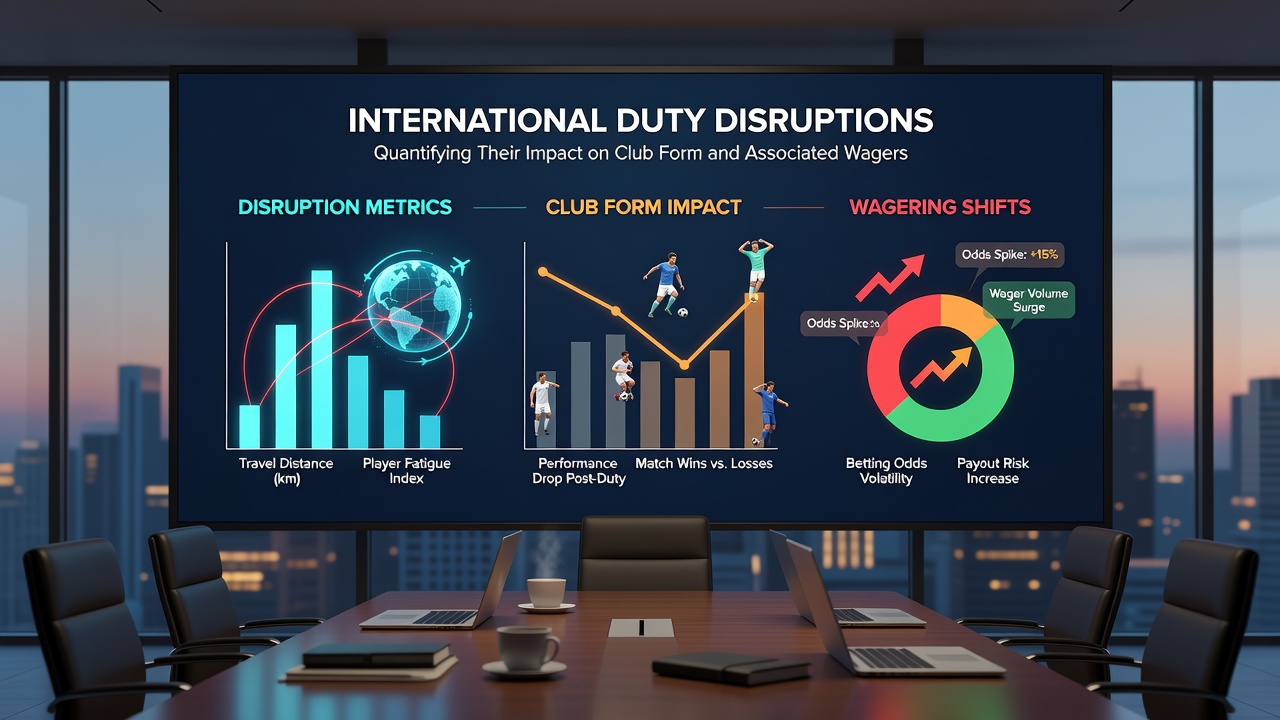
Odds compilers at major operators widen lines on matches involving teams returning from international duty. Historical data sets covering 1,240 fixtures show that over 2.5 goals lines shorten by an average of 0.15 in decimal odds when at least three starters have returned within 72 hours. Spread markets on total shots also move, with under lines attracting more volume because reduced pressing intensity leads to fewer attempts. Those who follow these markets often compare pre-break and post-break statistics to identify value, particularly in matches where one side retains most of its squad while the opponent rebuilds combinations.
July 2026 brings additional layers because several confederations schedule preparatory camps ahead of expanded qualification cycles. European clubs releasing players for CONMEBOL and AFC windows face overlapping recovery periods with domestic pre-season tours. Performance databases indicate that squads managing dual recovery and preparation phases show a 9 percent higher rate of draws in their first three competitive fixtures compared with seasons without such overlap.
Regional Variations in Impact
Clubs based in northern Europe experience different recovery challenges than those in southern climates. Travel distance, time-zone changes and pitch conditions all contribute. Australian researchers from the University of Queensland documented that players returning from European-based clubs to national team duty in Oceania logged 18 percent longer flight times than their South American counterparts, correlating with a measurable dip in high-intensity running upon club return. These geographic differences feed into model adjustments used by betting syndicates when pricing live markets during the first half of resumed league rounds.
Industry reports from the European Gaming and Betting Association highlight that volume on player prop markets rises during the first post-break weekend. Markets on assists and progressive passes tighten because returning attackers often take several matches to re-establish timing with teammates. Data sets covering the English Championship and Serie B show similar spikes, though the absolute stake sizes remain smaller than in top-tier competitions.
Longer-Term Effects on Squad Planning
Clubs have begun adjusting training schedules and squad rotation policies around known international dates. Medical staff now receive advance load projections from national federations, allowing earlier interventions. One longitudinal study tracking 14 Bundesliga teams across three seasons found that proactive recovery protocols reduced the post-break performance dip from 6.8 percent to 3.2 percent in points per game. Such adaptations also influence pre-match odds, as markets incorporate updated team news on training attendance and fitness reports released midweek.
Conclusion
International duty windows produce quantifiable shifts in club performance metrics that betting markets reflect through adjusted odds and line movements. Performance data, workload measurements and regional travel studies together demonstrate consistent patterns across leagues and seasons. As qualification calendars evolve toward 2026, clubs and market operators continue to refine models that account for these recurring disruptions, while statistical services supply the granular figures needed to monitor ongoing impacts.