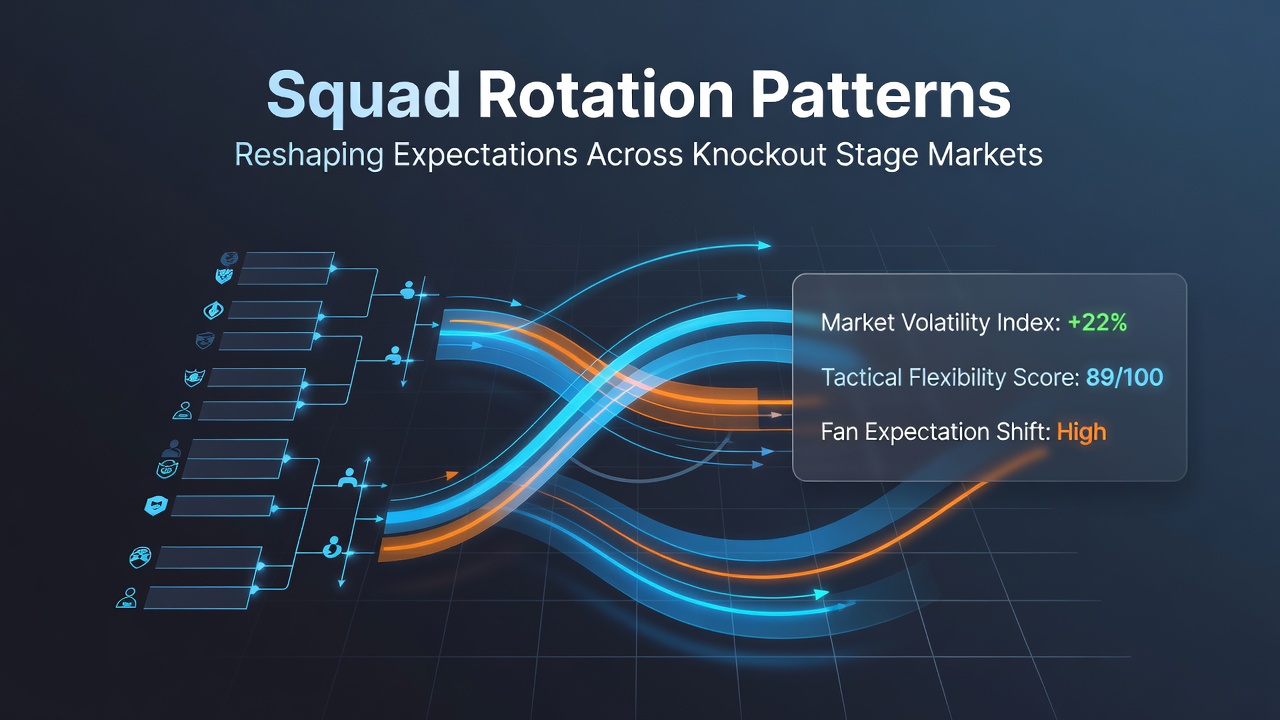
Squad Rotation Patterns Reshaping Expectations Across Knockout Stage Markets
Football analysts have tracked squad rotation patterns across major European competitions for several seasons, and data from the 2024-2025 campaigns shows managers increasingly deploy squad depth during knockout stages to manage player workload. Teams participating in multiple fronts often rest key players between league fixtures and cup ties, which alters expected lineups and forces betting markets to adjust probabilities accordingly.
Research published by sports performance institutes indicates that clubs averaging more than two changes per match in knockout rounds experience measurable shifts in goal expectancy models. European competitions such as the Champions League and Europa League provide the clearest examples, where fixture congestion peaks between February and May each year.
Rotation Trends Observed in Recent Seasons
Statistical reviews from the 2025 knockout phases reveal that teams advancing from group stages to quarter-finals implement rotation in approximately 35 percent of available positions, according to figures compiled by the European Club Association. Midfield and defensive units see the highest turnover rates, while attacking lines remain more stable in decisive ties. These adjustments influence both pre-match odds and in-play betting activity once lineups are confirmed.
One pattern emerges when managers face congested schedules in March and April. Clubs with deeper benches tend to rotate before high-stakes knockout legs, leading markets to recalibrate expected goals and clean sheet probabilities. Data from multiple seasons demonstrates that such changes correlate with increased variance in match outcomes rather than consistent underperformance.
Impact on Betting Market Dynamics
Betting operators update their models rapidly once official squads are released, yet rotation decisions announced close to kick-off create temporary inefficiencies. Observers note that markets for total goals, player assists, and card counts respond most sharply to unexpected absences of regular starters. Live betting volumes rise during these windows because traders adjust spreads in real time as team sheets filter through official channels.
Figures from Australian regulatory bodies tracking sports wagering show similar spikes in activity during European knockout nights, particularly when rotation affects star players in forward positions. The same reports highlight that markets for corners and shots on target display heightened sensitivity to defensive line changes compared with outright match winner odds.
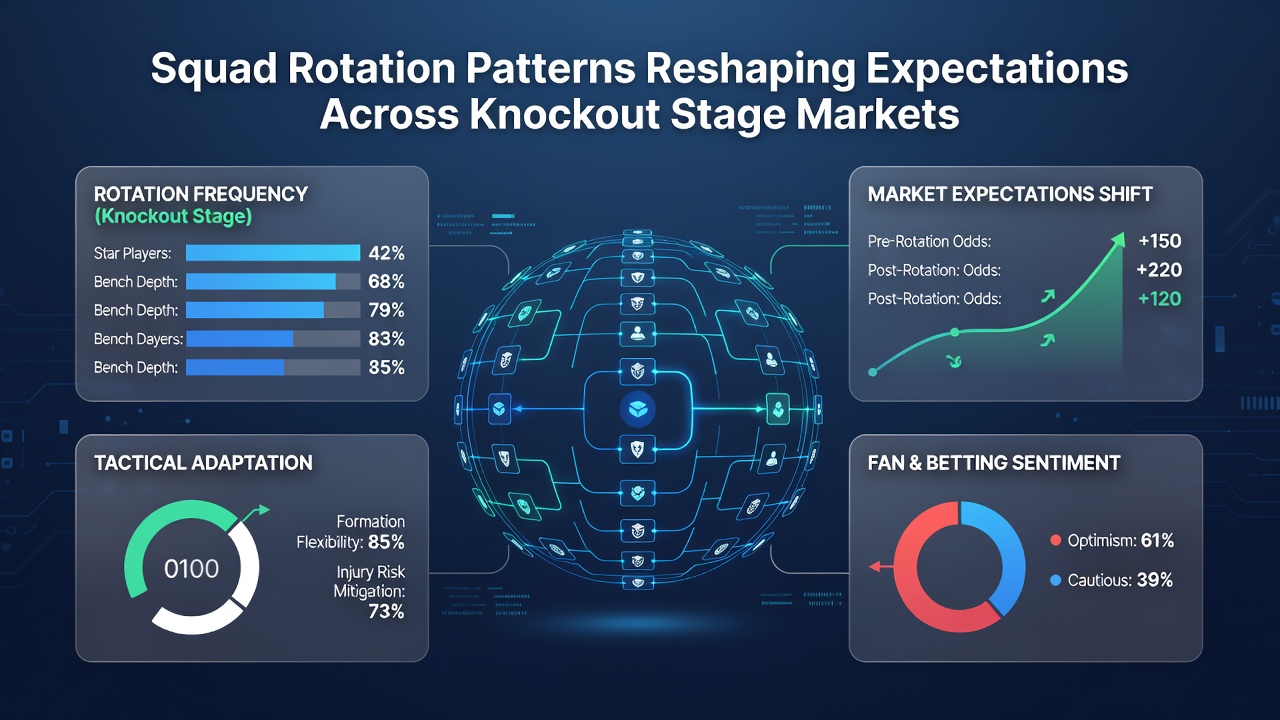
What's notable is how rotation frequency has climbed steadily since the expansion of the Champions League format. Teams now manage larger squads across more fixtures, and analysts tracking historical data find that clubs rotating more than four players between consecutive knockout matches record different average points-per-game returns than those maintaining near-identical lineups. These variations feed directly into pre-match pricing structures.
Case Examples from Recent Campaigns
Take the 2025 quarter-final ties where several clubs rested central defenders after weekend league fixtures. Markets initially priced those sides as favorites based on season-long form, yet adjusted spreads once confirmed absences appeared. Similar adjustments occurred in Europa League knockout rounds when teams rotated wide attackers to preserve freshness for domestic commitments.
Studies conducted by Canadian sports science researchers have quantified the fatigue-recovery cycle that prompts these decisions. Their findings link accumulated minutes in prior matches to higher substitution rates during knockout stages, which in turn shifts expected goal differentials used by betting platforms. The patterns hold across multiple leagues and competition formats.
July 2026 pre-season preparations already show clubs planning rotation templates for the expanded calendar ahead, with scouting networks monitoring squad depth as a key variable for upcoming knockout campaigns. Early indications suggest continued emphasis on squad management tools rather than reliance on fixed starting elevens.
Conclusion
Rotation strategies continue to evolve alongside expanded competition calendars, and market expectations adjust in parallel. Data from governing bodies and performance studies demonstrate clear connections between squad management decisions and shifts in betting probabilities during knockout stages. Those monitoring these patterns gain insight into how line-up announcements reshape available odds across multiple markets.