Tracing the Ripple Effects of Cup Exits on European Qualification Betting Markets
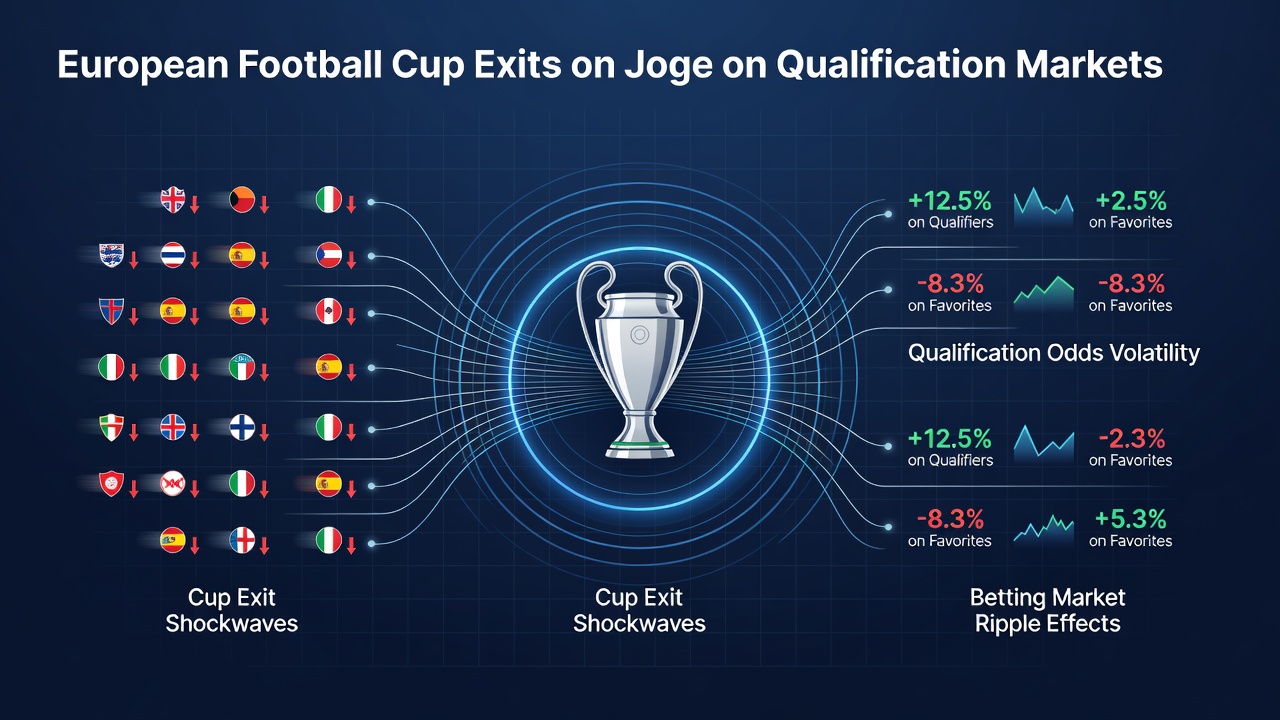
European club football features tight links between domestic cup results and the race for Champions League or Europa League spots, where early exits often shift betting odds on league finishes and qualification markets. Data from multiple seasons shows that teams knocked out of cups in January or February frequently redirect resources toward league campaigns, and this adjustment alters market pricing for top-four finishes or European qualification outrights.
Bookmakers track these patterns closely because cup eliminations change the probability distributions that underpin odds compilation. When a mid-table side exits the FA Cup or Copa del Rey, traders monitor subsequent league fixtures for signs that squad rotation will decrease or increase. Observers note that such shifts appear in the weeks following the exit rather than immediately, creating windows where odds move gradually before settling into new ranges.
League Position Adjustments After Cup Departures
Teams that leave cup competitions early often record improved points-per-game averages in the weeks that follow, according to performance databases covering the Premier League, La Liga, and Serie A. This uptick influences European qualification betting because the same clubs sit just outside or inside the qualification threshold. Markets respond by tightening spreads on teams positioned between fourth and eighth place, while widening them for clubs that remain active in multiple competitions.
One study released by the European Association for the Study of Gambling examined five seasons of data and found measurable changes in qualification probabilities within 14 days of a cup exit. The analysis highlighted that clubs with fewer remaining fixtures adjusted their expected points totals upward, prompting bookmakers to shorten odds on those sides securing a top-four or top-six finish.
Market Reactions in Qualification Outrights
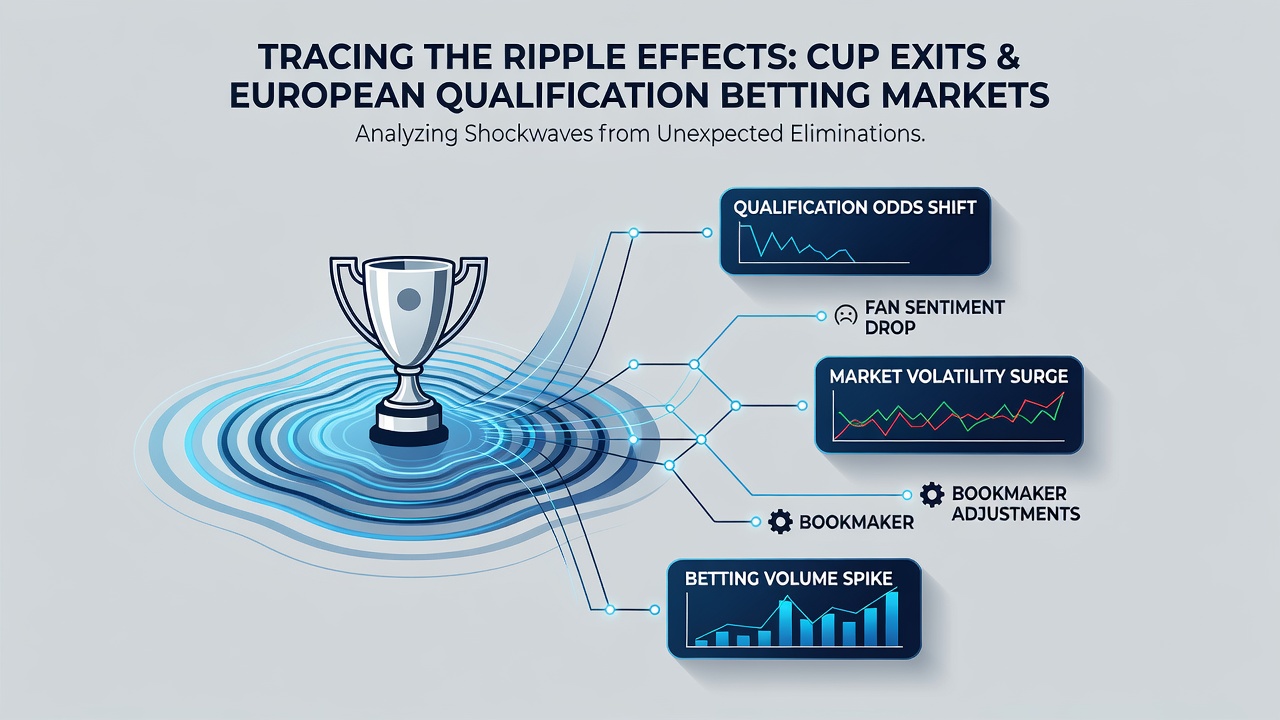
Betting exchanges register volume spikes on European qualification markets in the days after high-profile cup exits. Traders report that liquidity increases on outright bets for specific teams to reach the Champions League group stage, especially when those clubs have upcoming league matches against direct rivals. The pattern repeats across multiple jurisdictions, wth similar activity recorded in markets operated under licenses from the Malta Gaming Authority and the New Jersey Division of Gaming Enforcement.
Pre-season activity scheduled for July 2026 already incorporates historical cup-exit data into initial qualification odds. Several operators have published early markets that price in the likelihood of teams exiting domestic cups at different stages, using historical frequencies drawn from the previous decade. These markets allow bettors to take positions on qualification before the 2026-27 campaign begins, and early odds reflect assumptions about resource allocation once cup involvement ends.
Live Betting Adjustments During Key Periods
Live markets also capture the downstream effects when a team’s cup exit becomes confirmed midweek. In-play odds on the same team’s next league fixture often move in response to perceived motivation levels, and these movements feed into longer-term qualification prices. Analysts at research institutions such as the University of Sydney’s Gambling Research Unit have documented that these micro-adjustments accumulate into larger shifts on season-long markets by the end of February.
European governing bodies publish fixture calendars that allow operators to map overlapping commitments, and this transparency helps markets price the trade-off between cup progress and league consistency. When a club remains in the Europa League but exits its domestic cup, the betting public frequently migrates toward that club’s chances of securing a Champions League spot the following season, creating measurable price pressure on related outrights.
Data Patterns Across Competitions
Figures compiled by the Asian Racing Federation’s integrity unit reveal consistent correlations between cup participation length and league performance variance. Clubs that exit cups before the quarter-final stage show lower variance in league results compared with those still competing on multiple fronts. Betting operators incorporate these variance measures when setting handicap and total goals markets that sit alongside qualification betting.
Cross-border comparisons indicate that similar dynamics operate in leagues outside the traditional Big Five. Scandinavian and Eastern European competitions display parallel reactions, though with smaller absolute market sizes. The pattern suggests that the underlying mechanism—resource reallocation after cup elimination—transcends specific league structures and appears wherever European qualification carries financial incentives.
Conclusion
Cup exits continue to produce traceable effects on European qualification betting markets through altered league priorities, shifting outright probabilities, and measurable volume changes. Data from regulatory bodies and academic sources across multiple regions confirm that these ripple effects follow predictable timelines and appear in both pre-match and in-play environments. Operators and bettors alike monitor these patterns because they influence pricing from January through the end of the season and into the subsequent pre-season window.